 Reviews


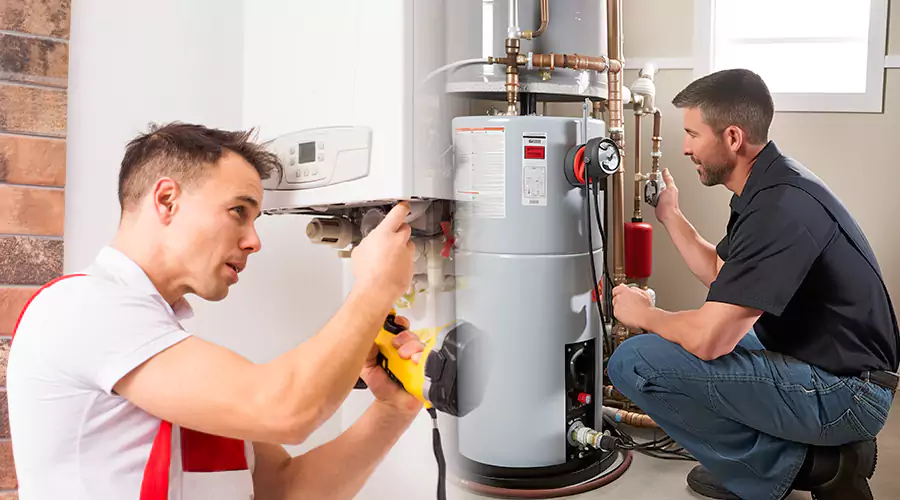
Choosing a new water heater feels overwhelming when you are staring at two very different options with very different price tags. Tank water heaters have been the standard in American homes for decades. Tankless water heaters have grown rapidly in popularity as homeowners look for smarter, more efficient solutions.
Both options deliver hot water reliably. What separates them is how they do it, what they cost, and how well each one fits your specific household.
How Each System Works?
Understanding the core difference between these two systems makes the rest of the comparison much easier to follow.
Tank water heaters store a large volume of water, typically between 30 and 80 gallons, inside an insulated tank. The unit heats that water continuously and keeps it ready for use at any time of day. Once the stored hot water runs out, the tank refills and heats a fresh supply, which takes anywhere from 20 to 40 minutes depending on the unit.
Tankless water heaters, also called on-demand water heaters, work differently. Rather than storing heated water, they heat it instantly as it flows through the unit. Turn on the hot tap and the system activates, delivering a continuous stream of hot water for as long as you need it. Proper maintenance and timely tankless water heater repair can help ensure consistent performance and long-term efficiency.
Both systems accomplish the same goal through completely different methods, and that difference shapes every advantage and disadvantage each one carries.
Tank Water Heater: Pros and Cons
What Works Well
Lower upfront cost makes tank water heaters the more accessible option for most households. A standard unit costs between $300 and $700 for the equipment alone, and installation typically adds another $150 to $400 depending on your location and setup.
Simple installation means most licensed plumbers can complete the job in a few hours without major modifications to your existing plumbing or electrical system.
Wide compatibility with existing gas and electric setups makes replacing an old tank unit with a new one straightforward in most homes. Your current fuel source, venting, and connections often work without any changes.
Familiar technology backed by decades of use means repair parts are widely available, affordable, and easy to source almost anywhere in the country.
Where It Falls Short
Limited hot water supply is the most commonly felt drawback of a tank system. Running back-to-back showers, doing laundry, and running the dishwasher simultaneously drains the tank faster than it can recover.
Standby heat loss quietly increases your energy bill every month. Keeping 50 gallons of water hot around the clock requires energy even when nobody in the house is using hot water. This continuous energy draw adds up significantly over the course of a year.
Shorter lifespan compared to tankless units means you replace a tank water heater more frequently. Most tank units last between 8 and 12 years before they need full replacement.
Larger physical footprint requires dedicated floor space in a utility room, basement, or garage. Homes with limited storage space feel this limitation more than others.
Corrosion risk inside the tank grows as the unit ages. Once the interior lining deteriorates, rusty water and eventual leaks follow, and neither problem is reversible without replacing the entire unit.
Tankless Water Heater: Pros and Cons
What Works Well
Endless hot water supply is the feature most homeowners notice immediately after switching. Tankless systems heat water continuously on demand, meaning the hot water never runs out regardless of how many people are showering or how much laundry is running.
Significantly lower energy consumption comes from eliminating standby heat loss entirely. Tankless units only activate when hot water is needed, which reduces energy usage by 24 to 34 percent compared to a standard tank unit according to the U.S. Department of Energy.
Longer service life gives tankless systems a clear advantage over the long term. Most quality tankless units last between 15 and 20 years with proper maintenance, nearly double the lifespan of a typical tank water heater.
Compact size frees up valuable floor space in your home. Tankless units mount directly on a wall and take up a fraction of the space a traditional tank requires.
Cleaner water flows from a tankless system because there is no storage tank where sediment, rust, and mineral buildup can accumulate over time.
Where It Falls Short
Higher upfront cost is the most significant barrier for many homeowners. A quality tankless unit costs between $500 and $1,500 for the equipment, and installation often adds another $500 to $1,500 depending on whether your home needs upgraded gas lines, new venting, or electrical modifications.
Installation complexity means the job takes longer and requires more expertise than a standard tank replacement. Homes switching from a tank to a tankless system often need upgrades to gas supply lines or electrical panels to meet the higher power demand.
Output limitations appear in larger households with very high simultaneous demand. A single tankless unit may struggle to supply hot water to multiple showers, a dishwasher, and a washing machine all running at exactly the same moment. Installing two units or a whole-home system solves this but adds to the cost.
Cold water sandwich effect surprises some users. This refers to a brief burst of cold water that occurs between uses when residual cool water sitting in the pipes reaches the tap before the freshly heated water arrives.
Higher repair costs apply when something does go wrong. Tankless systems contain more sophisticated components than tank units, and repairs typically cost more when they are needed.
Side-by-Side Comparison
| Feature | Tank Water Heater | Tankless Water Heater |
|---|---|---|
| Upfront cost | $300 to $700 | $500 to $1,500 |
| Installation cost | $150 to $400 | $500 to $1,500 |
| Lifespan | 8 to 12 years | 15 to 20 years |
| Energy efficiency | Moderate | High |
| Hot water supply | Limited by tank size | Unlimited |
| Physical size | Large floor unit | Compact wall mount |
| Maintenance | Annual flush | Annual descaling |
| Best for | Smaller households | Larger or growing households |
Which One Saves More Money Over Time?
Upfront costs favor the tank water heater clearly. The total cost of buying and installing a tank unit runs significantly lower than a tankless system in almost every scenario.
Long-term costs tell a different story. Tankless water heaters consume less energy month after month, last nearly twice as long, and eliminate the cost of a mid-cycle replacement that most tank owners face within 10 years.
Running the numbers over a 20-year period often shows the tankless system breaking even or coming out ahead despite the higher initial investment. Energy savings compound over time, and avoiding one full tank replacement adds hundreds of dollars back to that calculation.
Homeowners who plan to stay in their home for many years typically find the tankless option more financially rewarding over the full ownership period.
What Type of Home Benefits Most From Each Option?
Tank Water Heater Works Best For
Smaller households of one to three people with modest hot water demand throughout the day get reliable service from a tank unit without ever hitting the hot water limit. Budget-conscious homeowners who need an immediate replacement without a large upfront investment also benefit from choosing a tank system.
Rental properties and investment homes where long-term energy savings matter less than keeping replacement costs low are also strong candidates for traditional tank water heaters.
Tankless Water Heater Works Best For
Larger families of four or more people who run multiple hot water sources simultaneously benefit most from the unlimited supply a tankless system provides. Homeowners investing in a long-term property who want to reduce monthly energy bills and avoid frequent replacements get strong returns from a tankless unit.
New construction and full home renovations are ideal situations for tankless installation because the necessary gas line upgrades and venting requirements can be built in from the start without retrofitting costs.
Gas vs. Electric Tankless Water Heaters
Choosing between a gas and electric tankless unit adds another layer to the decision.
Gas tankless water heaters deliver higher flow rates and perform better in larger homes with high simultaneous demand. Natural gas units heat water faster than electric models and cost less to operate in most parts of the country where gas rates are lower than electricity rates.
Electric tankless water heaters cost less to purchase and install, require no venting, and work well in smaller homes or as point-of-use units installed close to a specific fixture. They are a practical option in areas where natural gas is not available or where installation of gas lines would add significant cost.
Discussing your home's existing fuel source and usage patterns with a licensed plumber helps identify which type suits your situation best.
Maintenance Requirements for Each System
Both systems require regular maintenance to perform well and reach their full lifespan potential.
Tank water heaters need the tank flushed annually to remove sediment from the bottom. Checking the anode rod every two to three years and replacing it when corroded protects the interior lining. Testing the pressure relief valve once a year confirms the safety system is functioning correctly.
Tankless water heaters require annual descaling to remove mineral deposits from the heat exchanger, particularly in areas with hard water. Cleaning the inlet filter screen periodically keeps water flow unrestricted. Some manufacturers recommend a professional service visit once a year to inspect burners, venting, and electronic components.
Skipping maintenance on either system shortens its lifespan and increases the risk of unexpected failure.
Summary
Both tank and tankless water heaters deliver reliable hot water every day. The right choice depends entirely on your household size, budget, long-term plans, and how much hot water your family uses at peak times.
Tank water heaters offer a lower upfront cost, simpler installation, and straightforward maintenance that works well for smaller households and budget-focused decisions. Tankless water heaters bring unlimited hot water, superior energy efficiency, and a significantly longer service life that rewards homeowners who plan to stay in their home for the long term.
Sitting down with a licensed plumber to review your current setup, daily hot water demand, and total budget gives you the clearest picture of which system delivers the best value for your specific home. Making an informed choice today means reliable, efficient hot water for the next decade or more.